

Neck
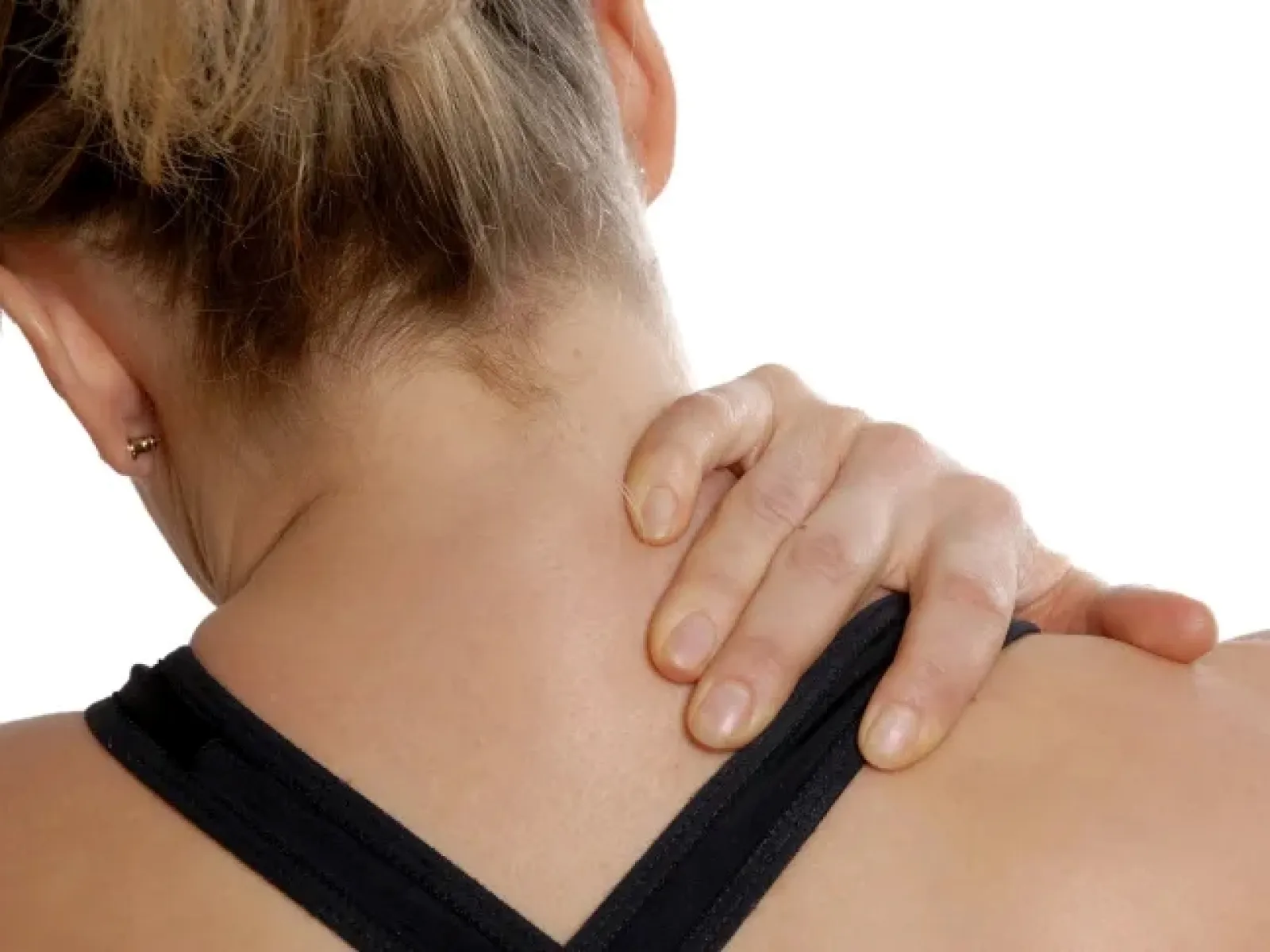
Neck Problems
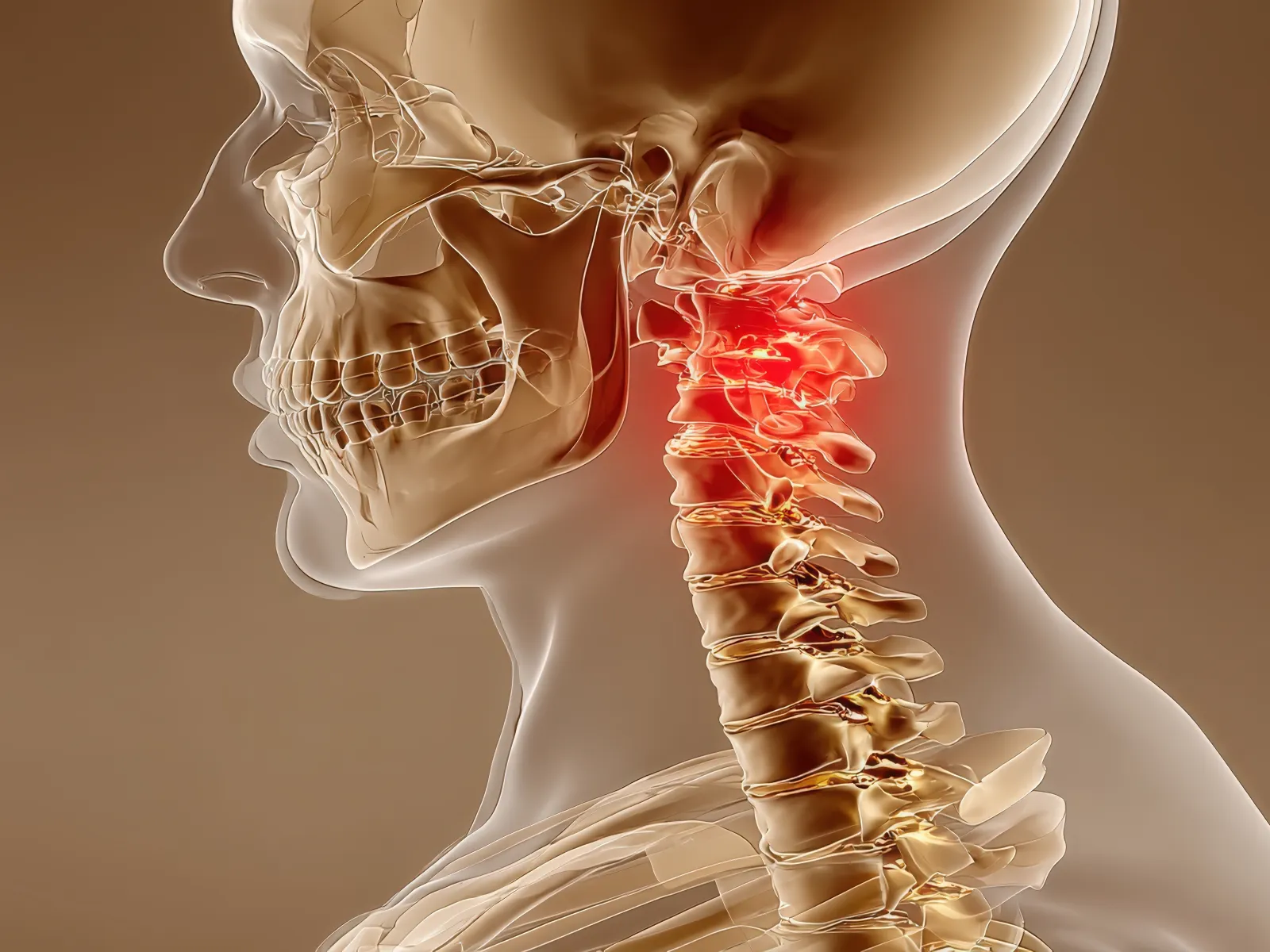
The cervical spine (bones in the neck) allows more motion than other parts of the spine; thus, the neck is an extremely flexible part of the body. The problem with the neck's being so flexible is that it is more prone to injury because it moves so easily and is less protected than the rest of the spine. For most people, neck pain disappears with time, but for some, it requires medical diagnosis and treatment.
Fortunately, Pinnacle Orthopaedics' team of spine specialists can properly diagnose and manage your neck pain, which may be caused by an underlying disorder.
Keep on reading below as our esteemed spine doctor discusses the various neck conditions that may affect you, their symptoms, and common causes.

Common neck injuries and conditions
Neck pain is an all too familiar complaint from many people, whether you're an aging adult or a young teen. According to studies, over 80% of individuals worldwide suffer from neck discomfort. Its causes vary from simple muscle strain due to bad posture to a severe illness caused by a degenerative disease.
Here are some of the most common neck conditions that may be causing your neck aches.
Neck Sprain
A neck sprain happens when the ligaments (bands of muscle) in the neck get torn or stretched too far. This condition usually occurs when the neck suddenly extends beyond its range then forcefully snaps back.
An individual with a sprained neck can feel mild to severe neck discomfort, depending on the size and location of the muscle tear. Fortunately, most cases of neck sprain heal on their own after a few days, especially if partnered with ample rest.
Some of the most common causes of neck sprain include car accidents, contact sports, and traumatic impact with an object.
Pinched nerve
Cervical radiculopathy or a pinched nerve can cause pain, stiffness, and numbness in the neck, which can sometimes travel to the shoulder and arms. This condition occurs when the nerves in the neck get irritated or compressed due to an injury or wear and tear in the spine.
Most people with cervical radiculopathy get better over time without treatment. However, doctors recommend rest, physical therapy, medications, and steroid injections for mild cases of pinched nerves.
Whiplash
Whiplash refers to a neck injury that happens when the head is whipped back and forth abruptly. This sudden movement can cause damage to the soft tissues and muscles in the neck, causing pain and sometimes immobility to the neck.
Whiplash often results from auto collisions, sports, physical abuse, falls, and other physical traumas. Fortunately, this condition can be treated with ample rest, pain medications, physical therapy, icing technique, and by wearing foam collars.
Neck fracture
A neck fracture occurs when one or more cervical vertebrae get broken. All neck fractures are considered an emergency situation since it involves damages to the spinal cord, which is directly linked to the brain.
Besides severe pain, a broken neck can cause bruising and swelling in the neck area. In extreme cases, it can lead to spinal cord injury, paralysis, and even death.
Acute injuries may be treated with a cervical brace, while a severe one requires a combination of surgery, traction, and rigid cast.
Cervical osteoarthritis or spondylosis
Neck arthritis refers to a painful condition wherein the cartilage in the neck joints breaks down due to aging or wear-and-tear. As a result, the discs or bones in the neck become stiff and can grind against each other during movement, causing pain and swelling.
Moreover, osteoarthritis can also cause the formation of bone spurs, which can contribute to more pain and discomfort. Mild cases of spondylosis only require conservative treatment options, but severe symptoms may warrant surgical procedures, such as:
- Posterior cervical laminectomy
- Anterior cervical discectomy and fusion
Cervical Disc Degeneration and Herniation
Cervical Disc Degeneration can also cause neck pain because the disc acts like a shock absorber between the bones in the neck. People usually develop this after the age of 40. The disc degenerates, and the space between the vertebrae narrows. Also, what could happen is the cervical disc could protrude and cause pressure on the spinal cord or nerve roots when the disc weakens (herniated cervical disc).
Scoliosis
Scoliosis refers to a condition wherein the spine has an abnormal sideways curvature caused by genetics or muscular dystrophy. This disorder can happen anywhere along the spine, but when it develops in the cervical or upper part of the spine, then that's when it can cause mild to severe neck pain.
Signs and symptoms
Neck pain and discomfort are among the most prominent and first symptoms to appear when you have a neck-related condition. But most of the time, neck pain usually comes with other physical manifestations, such as:
- Muscle tightness and spasms
- Swelling
- Numbness or tingling sensation in the neck area
- Weakness or decreased mobility and flexibility of the neck
- Loss of feeling or sensation
- Headache
Generally, neck aches heal or fade away on their own with proper rest and home remedies. But if the pain persists, then it's time to consult an orthopedic specialist.
What causes neck problems?
Various medical conditions, injuries, and other factors can cause neck pain and discomfort. Some of the most common ones include:

Aging
Aging is the most common cause of neck pain and neck-related disorders. Degenerative diseases that cause neck pain include osteoarthritis and rheumatoid arthritis. Osteoarthritis usually occurs in the elderly as a result of wear and tear of the joints between the bones in the neck. On the other hand, rheumatoid arthritis causes destruction to the neck joints. Both are known to cause stiffness and pain.

Injuries
Because the neck is flexible and supports the head, it's very susceptible to injury. Injury occurs often in motor vehicle accidents, with contact sports, diving accidents, and falls. Sometimes in car accidents, people hyperextend their neck, which is when the neck moves backward further than the normal limit. People can do the opposite一known as hyperflexion一a forward motion beyond the normal limits. Fractures or dislocations of the neck can damage the spinal cord and cause paralysis.

Overuse or physical strain
Overusing or physically straining the neck muscles and joints can take a toll on the neck. For example, spending long hours hunched over the computer or doing strenuous repetitive actions can trigger muscle strain and sprain.
Neck pain can come from a variety of abnormalities, including the soft tissues, the muscles, the ligaments, and the nerves. Neck pain also can come from the bones and joints of the spine. Prolonged wear and tear cause damage to the soft tissues, which is the most common reason for neck pain. In some people, neck pain can come from problems in the back or shoulders. Rarely will people get pain from infections or tumors.

Tendon Repair
Other types of disorders that can cause neck pain include meningitis, cancer or tumor growth, and bone spurs.

Get the best diagnosis and treatment at Pinnacle Orthopaedics
If you have been suffering from a persistent case of neck pain, then your best bet is to consult a specialist at the best orthopedic sports medicine near me一Pinnacle Orthopaedics.
Our team of orthopedic experts specializes in bringing the best orthopedic care and services to help patients return to their everyday lives. We offer a variety of non-surgical and surgical treatments using the latest techniques and state-of-the-art technologies一from physical therapy to complex robotic knee replacement.
Contact us now at 770-427-5717, or visit one of our five convenient locations:
The Pinnacle Physicians that specialize in injuries and conditions of the neck.

R. Brandon Burris
M.D.
R. Brandon Burris
M.D.

Bryan Kumiga
D.O., M.S.
Bryan Kumiga
D.O., M.S.

Charles F. Land
M.D.
Charles F. Land
M.D.

Rajeev K. Valvani
D.O., M.S.
Rajeev K. Valvani
D.O., M.S.